Cleaning Finder
Pick a spot in the house and I’ll show you the recipe, the ingredient doing the work, and why it works.
Click a label to start
Start here
Start with what’s bugging you
Tap a spot in the house. You’ll get a method that works, the recipe if you need one, the why behind it, and what to grab.
Quick starts
White spots or crust on the glass and taps
Chalky white marks are typcally mineral deposits from hard water.
Take careKeep acids off marble and natural stone, minimise contact with cement-based grout, and patch test if unsure.
What to do
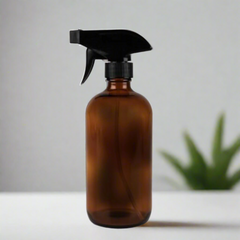
- Spray Citric Acid Spray (works like vinegar) over the glass and tapware. For thick build-up, use the gel version so it clings.
- Give it time to work, then wipe or scrub with a soft brush.
- Rinse, then dry the glass to slow new spots forming.
Why it worksCitric acid dissolves the minerals that dry onto glass and chrome. It’s the second step after soap has removed the everyday grime.
Learning HubWhat is hard water? Do I have it?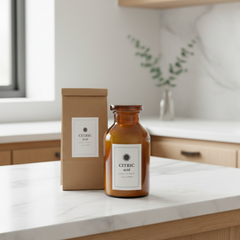
A dull, greasy film (soap scum)
Soap scum forms when soap meets the minerals in hard water and dries as a dull film.
What to do
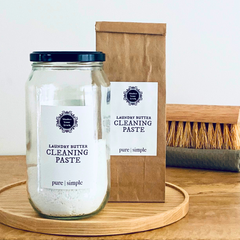
- For thick, stubborn layers Cleaning Paste is the heavier-duty option. Use it first to clean any oils and dirt mixed in with the soap scum.
- Make sure you rinse the cleaning paste thoroughly if used.
- For milder mess you can jump to this step and simply apply Bathroom Cleaning Gel over the film and leave it to cling.
- Scrub with a brush or scrub pad, then rinse well.
Why it worksCitric acid (works like vinegar) breaks down the mineral part of soap scum so the film lets go of the surface. As a gel it stays put on walls and screens long enough to work.
Learning HubSoap vs Detergent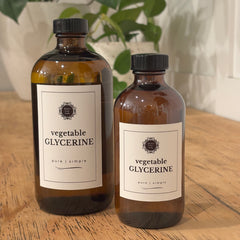
Dark or stained grout
Take careSpot-test coloured or sealed grout before treating the whole area.
What to do
- Mix a fresh Sodium Percarbonate solution in hot water.
- Apply it to the grout lines and give it time to work.
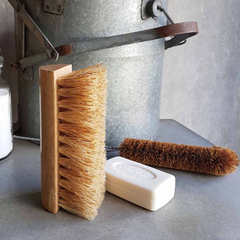
- Scrub with a small stiff brush, then rinse. For tougher jobs, Cleaning Paste works well on grout and tiles.
Why it worksSodium percarbonate is an oxygen bleach. In water it releases hydrogen peroxide, which lifts organic staining without chlorine bleach. Mix it fresh each time.
Learning HubBleach vs Oxybleach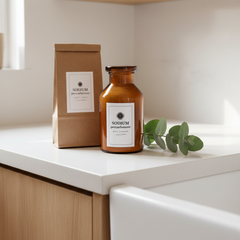
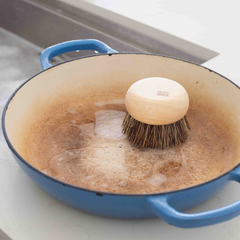
Limescale or soap scum?
What to do
- Run a fingertip over it. Crusty and chalky usually means mineral build-up. Smooth, dull and filmy usually means soap scum.
- Either way, start with Bathroom Cleaning Gel. The same citric acid gel (works like vinegar) handles both.
- Marks dark rather than white? That’s more likely staining, so try the grout option instead.
Why it worksSoap scum and limescale both have hard water minerals at their core, which is why one acidic gel tackles both.
Learning HubWhat is hard water? Do I have it?What you need
Crusty ring or marks in the bowl
Take careA white or brownish crust at the waterline is usually mineral build-up from hard water (limescale).
What to do
- Squeeze Bathroom Cleaning Gel under the rim and over the ring.
- Leave it to sit. The gel clings, so the acid stays in contact instead of sliding into the water.
- Scrub with your toilet brush and flush.
Why it worksCitric acid (works like vinegar) dissolves the calcium and magnesium minerals hard water leaves behind. Thickening it into a gel gives it the contact time it needs on sloped and vertical surfaces.
Learning HubWhat is hard water? Do I have it?Seat, lid and outside
What to do
- Spray Multi-Purpose Soap Spray and wipe from the top down, finishing at the base.
- Rinse your cloth often so you’re not moving grime around.
- Want to disinfect high-touch spots like the seat and flush button? Do it as a separate final step on the clean surface.
Why it worksSoap is a surfactant. One end of each molecule grabs grease and grime, the other is attracted to water, so the mess lifts off and wipes away. You don’t need to disinfect every time you clean, and disinfecting works best on a surface that’s already clean.
Learning HubHow surfactants work in cleaning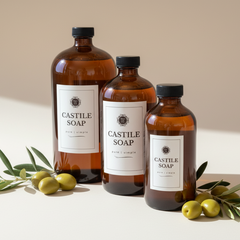
It needs freshening up
What to do
- Make a batch of Fizzy Fragrance Bombs with bicarb, citric acid, glycerine and your favourite essential oils.
- Drop one into the bowl whenever it needs a lift.
Why it worksWhen bicarb (an alkali) meets citric acid (an acid) in water, they react and fizz, carrying the essential oils into the air. It’s a freshener, not a cleaner. That same reaction is why bicarb and vinegar together don’t clean better.
Learning HubWhy bicarb and vinegar aren’t for everything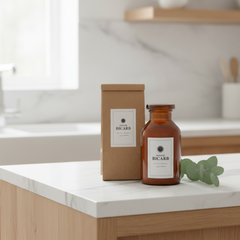
A ring around the bath
Take careCheck your bath’s care instructions and patch test first, especially on older enamel or stone.
What to do
- Spray Multi-Purpose Soap Spray around the ring and let it sit for a moment.
- Wipe with a soft cloth or scrub pad.
- Crusty edge left behind? Follow with Citric Acid Spray (works like vinegar) as a separate step, then rinse.
Why it worksA bath ring is mostly body oil and soap residue, which soap lifts. Anything crusty left over is minerals, which need an acid. Use them one after the other, never mixed: soap and acid cancel each other out.
Learning HubThe cleaning formula you need to know
Crusty taps and plughole
Take carePatch test special finishes like brushed brass or matt black. Keep acids off natural stone vanity tops.
What to do
- Spray Citric Acid Spray (works like vinegar), or apply the gel, onto the crusty areas.
- Leave it to work, then scrub with a small brush.
- Rinse well and buff dry.
Why it worksThat crust is calcium and magnesium left behind as hard water dries. Citric acid dissolves it.
Learning HubWhat is hard water? Do I have it?Everyday wipe of the vanity and basin
What to do
- Spray Multi-Purpose Soap Spray over the basin and vanity.
- Wipe with a damp cloth.
- Hard water at your place? Mixing the spray with distilled or demineralised water helps stop soap streaks.
Why it worksSoap is a surfactant. One end of each molecule grabs grease and grime, the other is attracted to water, so the mess lifts off and wipes away.
Learning HubHow surfactants work in cleaningBenches and everyday wipe-downs
Take careNatural stone benchtops: soap is fine, but keep acids like citric acid and vinegar off them.
What to do
- Mix 1 tablespoon of Castile soap into 500ml of water in a spray bottle.
- Spray and wipe with a damp cloth.
- Greasy day? Go up to 1 1/2 tablespoons of soap.
Why it worksSoap is a surfactant. One end of each molecule grabs grease and grime, the other is attracted to water, so the mess lifts off and wipes away.
Learning HubHow surfactants work in cleaningGreasy sink and splashback
What to do
- Scoop a little Cleaning Paste onto a damp cloth or brush.
- Work it over the greasy areas.
- Rinse well and wipe dry.
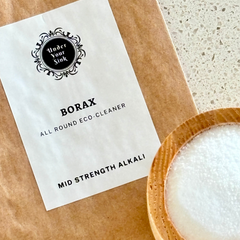
Why it worksThe paste combines soap with washing soda and borax. These alkalis break down fats and oils, and the soap carries them away.
Learning HubAbout Washing Soda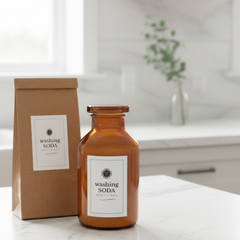
Washing up by hand
What to do
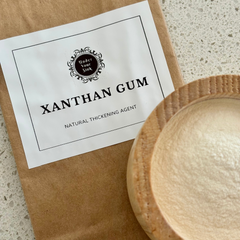
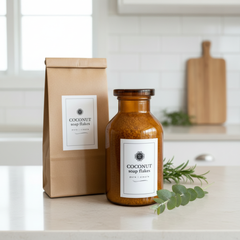
- Make Dish Liquid with Castile soap, glycerine and a little xanthan gum to thicken it.
- Use it in a sink of hot water as usual.
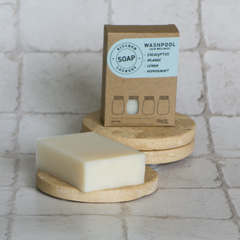
- Prefer a bar? A solid dish soap and a soap swisher do the same job.
Why it worksMost dish liquids are around 90% water. This recipe lets you add your own water at home and still get a gel you can pump.
Learning HubSoap vs Detergent
Tea and coffee stained mugs
What to do
- Sprinkle a little Sodium Percarbonate into the mug.
- Fill with hot water and leave it to soak.
- Tip out, then wash as normal.
Why it worksSodium percarbonate releases oxygen in hot water, which lifts tea and coffee stains without scrubbing.
Learning HubAbout Sodium PercarbonateWhat you need
Make my own dishwasher tablets
What to do
- Mix equal parts Washing Soda and Sodium Percarbonate. One cup of each makes about 20 loads.
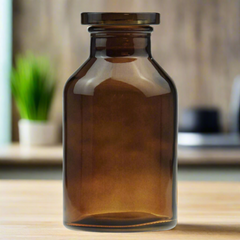
- Store it in a sealed glass jar to keep it dry.
- Use it in your detergent cup. Prefer tablets? The recipe shows you how to make them.
Why it worksWashing soda is a strong alkali that breaks down food grease. Sodium percarbonate releases oxygen to lift stains like tea and coffee. Two ingredients, and it works as well as many commercial tablets.
Learning HubAbout Sodium Percarbonate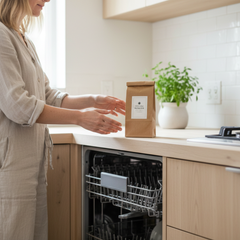
Cloudy or spotty glasses
Take careSpots and cloudiness are usually minerals from hard water drying on the glass.
What to do
- Mix 1/2 teaspoon of Citric Acid (works like vinegar) into 1/4 cup of water.
- Pour it into the rinse aid compartment.
- Keep using your usual detergent. The rinse aid works alongside it.
Why it worksAs water droplets dry, they leave dissolved minerals behind. An acidic rinse lowers the pH, neutralises alkaline detergent residue and stops water clinging in droplets.
Learning HubWhat is hard water? Do I have it?What you need
Baked-on grease inside the oven
Take careMake sure the oven is off and cool. If it has catalytic or specially coated liners, check the manual first.
What to do
- Mix 1/4 cup of prepared Cleaning Paste with 1 tablespoon of Sodium Percarbonate and a splash of boiling water. Make only what you need.
- Spread it over the greasy areas and give it time to soften the grime.
- Scrub, then wipe clean with a damp cloth. Old, burnt deposits will take some elbow grease.
Why it worksThe paste brings soap and alkalinity to soften grease, and sodium percarbonate adds oxygen-based cleaning action. Cleaning little and often makes each job easier.
Learning HubThe cleaning formula you need to knowGrimy oven door glass
Take carePatch test a small area first.
What to do
- Dip a homemade dishwasher tablet in water.
- Rub it over the glass in small circles.
- Wipe clean with a damp cloth and buff dry.
Why it worksDishwasher tablets pack washing soda and sodium percarbonate into a handy scrubbing block. Washing soda softens grease and percarbonate helps lift stains.
Learning HubAbout Washing SodaGreasy cooktop
Take careLet it cool completely. Glass and ceramic cooktops scratch easily, so use a soft cloth rather than a scourer.
What to do
- Apply a little Cleaning Paste with a damp cloth.
- Work it over the greasy areas.
- Wipe off with a clean damp cloth and buff dry.
Why it worksAlkaline washing soda and borax break down cooking grease, and the soap in the paste carries it away.
Learning HubAbout Washing SodaBurnt-on pots and baking trays
Take careNon-stick pans need a soft brush. Skip anything abrasive.
What to do
- Spread Cleaning Paste over the burnt-on areas.
- Leave it to soften, then scrub.
- Rinse well and wash as normal.
Why it worksAlkalis soften baked-on fat and food, so the scrubbing actually gets somewhere.
Learning HubAbout Washing Soda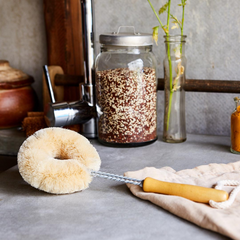
Everyday washing
What to do
- Prefer powder? Mix the Laundry Powder recipe, about 25 to 30 loads a batch.
- Prefer liquid? Laundry Liquid takes about a minute to make and is septic-safe.
- Short on time? Grab the ready-mixed Laundry Washing Powder.
Why it worksWashing soda softens hard water so soap can do its job, and soap (not synthetic detergent) lifts dirt out of the fibres.
Learning HubSoap vs Detergent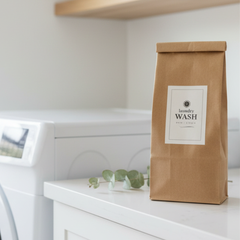
Stains, dull whites or musty towels
Take careCheck the care label. Oxygen bleach isn’t suitable for every fabric, including wool and silk.
What to do
- Dissolve 1 tablespoon of Sodium Percarbonate in a bucket or sink of hot water.
- Soak the items, then wash as normal.
- Use warm to hot water. Percarbonate needs heat to really get going.
Why it worksSodium percarbonate is an oxygen bleach. In water it releases hydrogen peroxide, which brightens whites and lifts food, sweat and body oil stains without the chlorine smell.
Learning HubBleach vs Oxybleach
Stiff or scratchy towels
What to do
- Use Citric Acid (works like vinegar) in the rinse instead of commercial fabric softener.
- Follow the recipe for how much to use per load.
Why it worksSoft laundry isn’t always about adding something. Stiffness often comes from mineral and detergent residue left in the fibres, and an acidic rinse clears it out.
Learning HubWhat is hard water? Do I have it?Wool and delicates
What to do
- Add 1 to 2 tablespoons of Castile soap to a basin of lukewarm water.
- Gently swish and soak, then rinse.
- Roll in a towel to remove water and dry flat.
Why it worksWool and delicate fabrics don’t respond well to harsh solutions. A gentle soap in lukewarm water cleans without stripping the fibres.
Learning HubWhy water temperature matters in DIY cleaningWhat you need
Streaks and smears
Take careStreaks usually come from leftover cleaner or minerals in the water.
What to do
- Lightly mist Citric Acid Spray (works like vinegar) over the glass.
- Wipe with a lint-free cloth.
- Buff dry with a second, dry cloth.
Why it worksCitric acid cuts through the mineral film and soap residue that cause smearing, so the glass dries clear.
Learning HubAbout Citric AcidFingerprints and grubby marks
What to do
- Spray Multi-Purpose Soap Spray and wipe off the oily marks first.
- Follow with Citric Acid Spray (works like vinegar) to clear any soap film.
- Buff dry with a clean cloth.
Why it worksFingerprints are oily, and oil needs soap. The acid step then removes any soap left behind, so you get shine instead of streaks.
Learning HubThe cleaning formula you need to knowSealed timber or laminate
Take careCheck the flooring manufacturer’s care instructions first.
What to do
- Add a very small amount of Castile soap to warm water.
- Wring the mop out well. It should be damp, not wet.
- Mop in the direction of the boards and let the floor dry quickly.
Why it worksToo much water seeps into joins and can cause swelling or warping. Acids and strong alkalis can dull the finish, so a little mild soap is all these floors need.
Learning HubAbout Castile SoapWhat you need
Natural stone or polished concrete
Take careNever use vinegar, citric acid or other acids on natural stone.
What to do
- Use a very dilute Castile soap solution.
- Mop with minimal water and skip abrasive powders.
- Dry the floor thoroughly.
Why it worksStone looks tough, but acids etch and dull it. Once it’s etched, cleaning won’t reverse the damage.
Learning HubAbout Citric AcidWhat you need
Routine mopping
What to do
- Add a small amount of Castile soap to warm water.
- Mop lightly, then rinse if any residue remains.
- Dry polished tiles to stop streaks.
Why it worksCeramic is forgiving, so mild soap and warm water handle everyday dirt. Less product means less residue.
Learning HubHow surfactants work in cleaningWhat you need
Cloudy haze or mineral marks
Take careKeep acids away from natural stone and minimise contact with cement-based grout. Spot-test first.
What to do
- Clean with soap first, then use a Citric Acid solution (works like vinegar) as a separate step on glazed tiles.
- Rinse well and dry.
Why it worksHaze is often mineral residue from hard water, and citric acid dissolves it.
Learning HubWhat is hard water? Do I have it?Stained grout
Take careSpot-test coloured or sealed grout before treating the whole area.
What to do
- Mix a fresh Sodium Percarbonate solution in hot water.
- Apply it to the grout lines and give it time to work.
- Scrub with a small stiff brush, then rinse. For tougher jobs, Cleaning Paste works well on grout and tiles.
Why it worksSodium percarbonate is an oxygen bleach. In water it releases hydrogen peroxide, which lifts organic staining without chlorine bleach. Mix it fresh each time.
Learning HubBleach vs OxybleachFloors look dull or sticky
Take careHave you been mixing soap with vinegar, or using a lot of product?
What to do
- Use less: a very small amount of Castile soap in warm water.
- Mop with a damp mop, not a soaking one.
- Never mix Castile soap with vinegar or citric acid in the bucket.
Why it worksSoap is alkaline, while vinegar and citric acid are acidic. Mixed, the acid breaks the soap down into a curdled, oily residue that clings to the floor and attracts dirt.
Learning HubWhy bicarb and vinegar aren’t for everythingWhat you need
Not sure what your floor is?
What to do
- Check the manufacturer’s care instructions if you have them.
- Start with the mildest option: a tiny amount of Castile soap in warm water.
- Spot-test in a hidden corner and use a damp, not wet, mop.
Why it worksIdentify the surface and use the mildest effective option. More product rarely means a better clean.
Learning HubThe cleaning formula you need to knowWhat you need
It smells a bit stale
What to do
- Mix Bicarb Soda with 10 to 15 drops of essential oil.
- Sprinkle it over dry carpet and leave it to sit.
- Vacuum thoroughly.
Why it worksBicarb soda is mildly alkaline, which helps neutralise many everyday odours rather than covering them up.
Learning HubAbout Bicarb SodaA fresh spill or mark
Take careCheck the care label and spot-test in a hidden area first.
What to do
- Blot up as much as you can. Don’t rub.
- Mist with Multi-Purpose Soap Spray and blot with a clean damp cloth.
- Blot again with plain water so no soap is left behind.
Why it worksSoap lifts the spill out of the fibres. Rinsing matters: leftover soap attracts dirt and leaves a new mark.
Learning HubHow surfactants work in cleaningNot sure where to start? Start with two sprays.
What to do
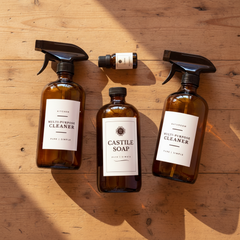
- Make a Multi-Purpose Soap Spray for everyday dirt, grease and grime.
- Make a Citric Acid Spray (works like vinegar) for white crusty marks, soap residue and glass.
- Use them as two separate steps: soap first, then acid where you need it. Never mix them in one bottle.
Why it worksMost household mess is either greasy grime, which soap lifts, or mineral build-up from water, which acid dissolves. Soap is alkaline and citric acid is acidic, so mixed together they cancel each other out. Kept separate, these two sprays cover most everyday jobs in every room.
Learning HubThe cleaning formula you need to know