
Disinfecting Sprays

Disinfecting Sprays

🌱 An oxygen-based spray for targeted disinfection when cleaning isn’t enough


Disinfecting is not something you need to do every time you clean. In most homes, soap and water handle everyday mess perfectly well.

Disinfection is for specific situations - when there’s a higher risk of germs being spread and a cleaning step alone isn’t enough. This spray is designed for those moments, without relying on harsh chemicals or strong fumes.

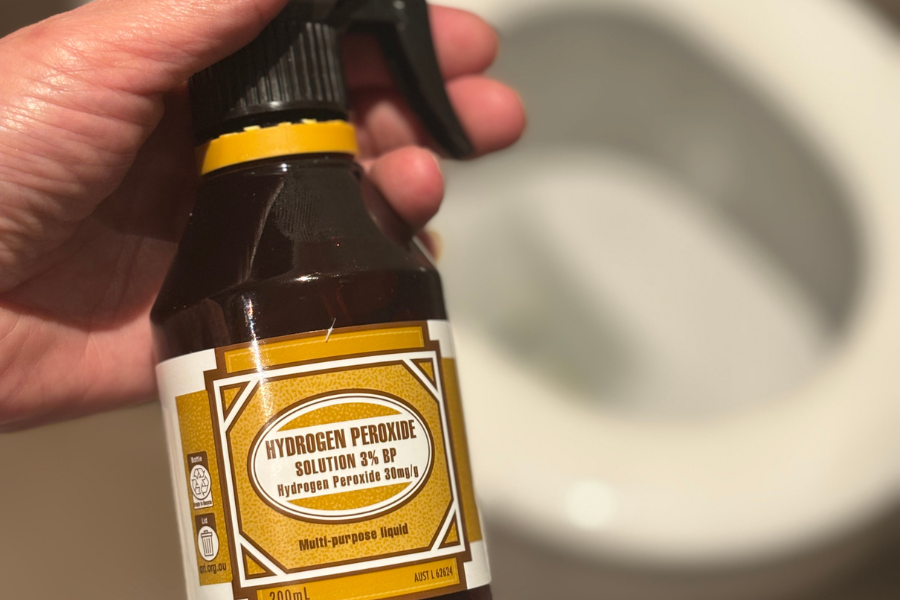
This solution uses hydrogen peroxide, an oxygen-based disinfectant that works effectively and then breaks down into water and oxygen.


Clean vs disinfect (important distinction)

Cleaning and disinfecting are not the same thing.

  • Cleaning removes dirt, grease, and microbes by lifting them off surfaces
  • Disinfecting reduces germs after a surface has already been cleaned

Disinfectants work best on clean surfaces. If residue or grease is present, disinfecting is far less effective.

This spray is designed as a second step, not a replacement for everyday cleaning.


What makes this an oxygen-based disinfectant

Hydrogen peroxide disinfects through oxidation. When it comes into contact with organic matter, it releases oxygen, which damages the structure of microbes and reduces their ability to survive.

Unlike chlorine bleach, hydrogen peroxide:

  • Does not release toxic fumes
  • Does not leave chemical residues
  • Breaks down into water and oxygen after use

This makes it a practical option for targeted household disinfection.


What this spray is used for

This oxygen-based disinfecting spray is best used on:

  • High-touch surfaces
  • Kitchen benches after raw meat preparation
  • Bathroom taps and toilet flush buttons
  • Door handles and light switches
  • Shared household surfaces during illness
It’s not intended for routine daily cleaning - only when disinfection is actually needed.

Back to blog

Recipe & Instructions

This spray uses hydrogen peroxide directly, without modification.

  • Use 3% hydrogen peroxide (standard household strength)
  • Transfer to a clean, clearly labelled spray bottle
  • Store away from light to maintain effectiveness

Use fresh where possible. Oxygen-based solutions gradually lose strength once exposed to light and air.

How to use it

  1. Clean the surface first using a soap-based spray.
  2. Spray the hydrogen peroxide evenly onto the surface.
  3. Allow it to sit for several minutes to do its job.
  4. Wipe away with a clean cloth or paper towel.

Rinse food-contact surfaces after disinfecting.


Important use notes

  • Use one disinfecting method at a time
  • Do not mix with vinegar, alcohol, or bleach
  • Avoid spraying directly onto fabrics or delicate finishes
  • Store away from sunlight

Mixing disinfectants can reduce effectiveness or create unsafe reactions.

Do I need to disinfect every time I clean?
No. Soap and water handle most everyday cleaning. Disinfect only when there’s a higher risk of germ spread.

Is hydrogen peroxide safer than bleach?
Yes. It disinfects effectively without toxic fumes and breaks down into water and oxygen after use.

Can I mix disinfectants together?
No. Use one method at a time. Never mix hydrogen peroxide, alcohol, vinegar, or bleach.

Is this safe for septic systems?
Yes, when used as directed and rinsed properly, hydrogen peroxide is generally suitable for septic systems.

What should I disinfect most often?
High-touch surfaces such as door handles, light switches, taps, toilet flush buttons, and kitchen benches after raw meat prep.

What about an alcohol-based disinfecting spray?
Alcohol-based sprays (using ethanol or isopropyl alcohol at the correct concentration) are another effective option for disinfection. They work by rapidly breaking down proteins in microbes and evaporate quickly without leaving residue.

Alcohol-based disinfecting sprays are useful:

  • When fast drying is important
  • On high-touch surfaces like phones, keyboards, and handles
  • When you don’t want moisture left behind

As with oxygen-based disinfecting sprays, alcohol should be used after cleaning, not instead of it, and never mixed with other disinfectants.